Architecture Rooted in Place:
Critical Regionalism as a Strategy for Climate-Responsive Design
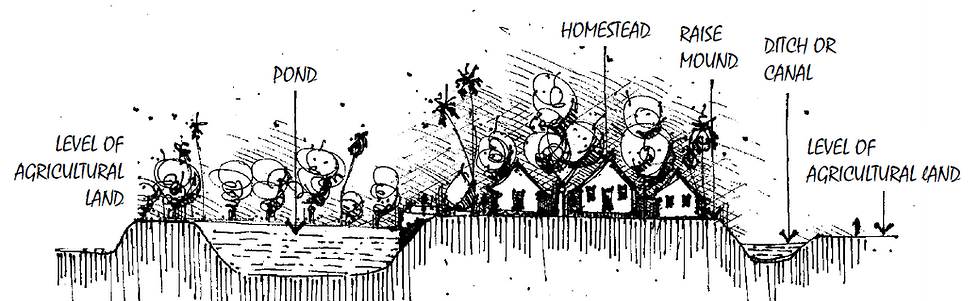
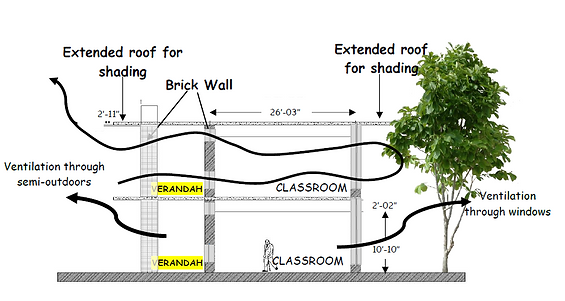

Adapted from Hasan,1985
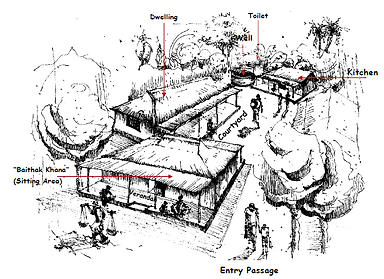
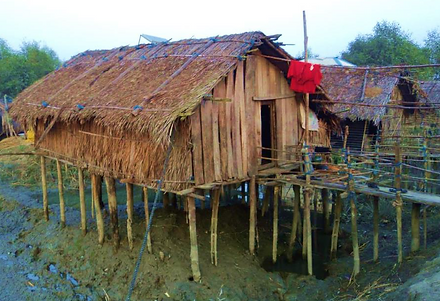
Alam, M. M. (2018). A critical analysis of Bengali modern and traditional architecture using the “Deep Beauty” framework (MS Thesis), Kansas State University.
Climate Design
Climate design is an architectural approach that adapts buildings to local climate conditions—such as temperature, humidity, sunlight, and wind—to improve comfort, reduce energy consumption, and support sustainability. It often uses passive strategies like natural ventilation, daylighting, shading, and thermal mass, allowing buildings to perform efficiently with minimal mechanical intervention. The goal is to create spaces that work in harmony with their environment.
Qualitative Study
This qualitative study investigates the relationship between architecture and nature within the context of Bengali traditional and modern architecture. By applying the "Deep Beauty" framework by Professor Gary Coates and Kelbaugh’s Five Points of Critical Regionalism, the research critically analyzes how architecture in Bangladesh—shaped by its deltaic landscape, cultural heritage, and climate—embodies principles of sustainability, phenomenology, and biomimicry. Through detailed case studies of three significant buildings, the study explores how local architectural practices reflect cultural identity and climate-responsive strategies, offering insights for future sustainable design globally.
Morphological Analysis in Architecture

Adapted from Hasan D. M., 1985
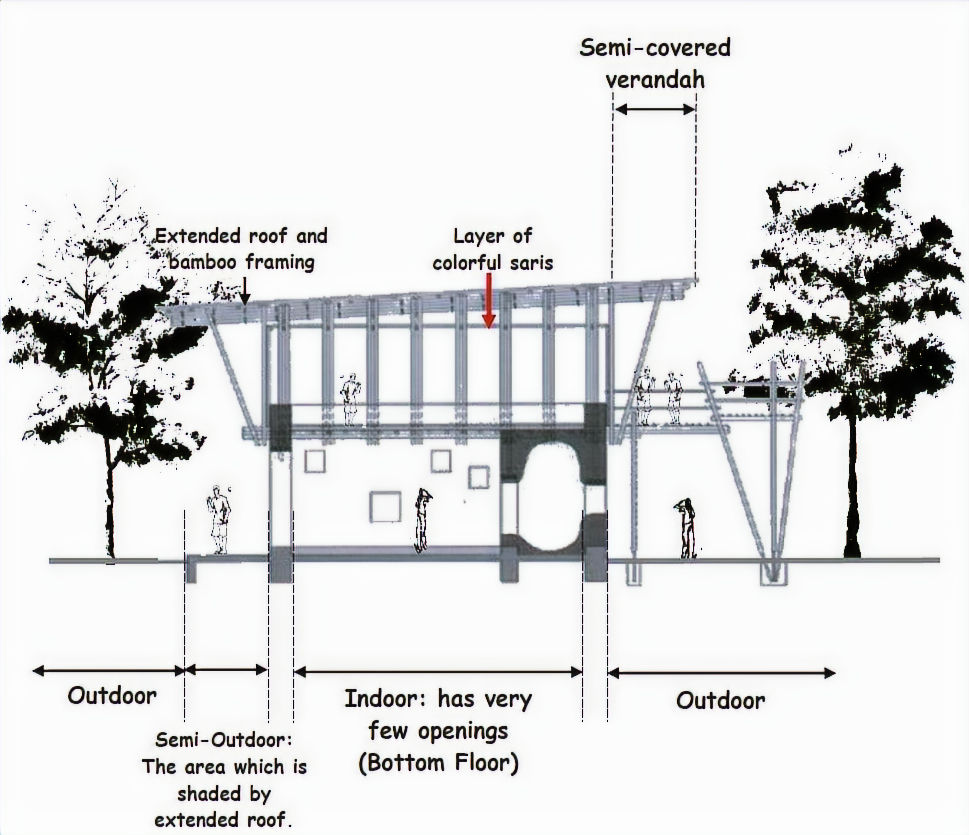

Current Research on the Thermal Benefits of Mud Houses in Southeast Asia
Our ongoing quantitative study investigates the thermal performance of traditional mud houses. This research highlights the potential thermal benefits of using local materials to reduce building energy consumption, thereby promoting resilience and sustainability.
We are currently preparing a manuscript detailing these findings. If you are interested in this type of research or potential collaboration, please feel free to reach out.
Ongoing Research on Participatory Settlement Design in Korail Slum, Dhaka, Bangladesh
Our ongoing research explores how participatory design can integrate housing, livelihoods, and everyday needs to promote more inclusive and resilient informal settlements. In collaboration with researchers in Bangladesh, we aim to develop context-sensitive strategies for sustainable settlement development.